5 Ways to Find More Foster Parents
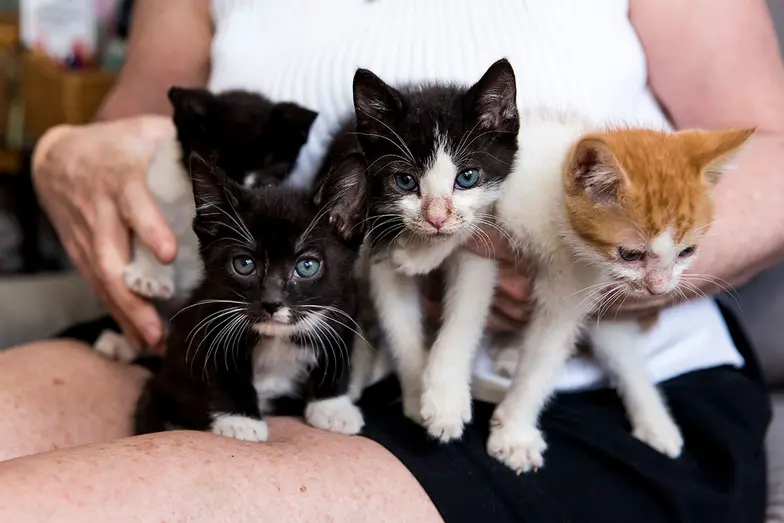
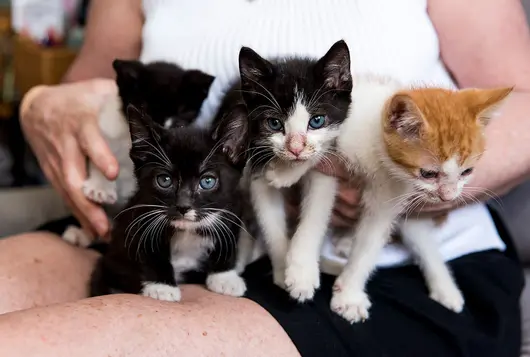
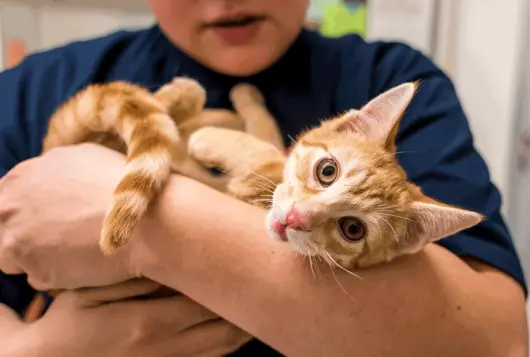
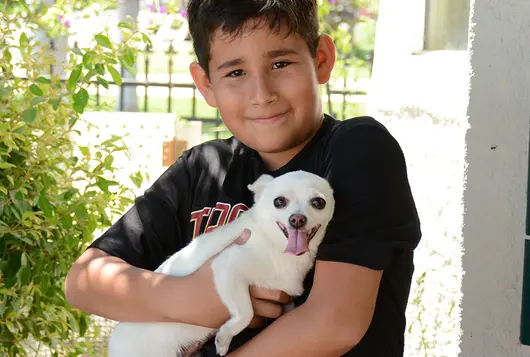
Whether you need foster caregivers during kitten season, periods of high shelter intake or year-round, recruiting new foster families can help your animal shelter or rescue expand capacity and provide more animals with temporary care outside the shelter.
Use these five strategies to reach potential foster caregivers—and make sure they know how easy it can be to get started.
1. Use Social Media to Recruit Foster Caregivers
Social media can be a powerful way to reach people who love animals but may not realize they can help by fostering.
Try these strategies:
- Share real foster stories. Post photos and videos of animals currently in foster care and share what their foster caregivers are helping them accomplish.
- Make the need clear. Explain why you need foster homes, what type of animals need foster care and how long care may be needed.
- Make it easy to take the next step. Include a link to your foster program webpage, application or orientation information in posts and social media profiles.
- Show different ways to foster. Help potential caregivers understand that foster opportunities can vary by animal, age, needs and length of stay.
- Ask current fosters to share. Personal recommendations from foster caregivers can help reach friends, family members and other animal lovers who may be ready to help.
2. Reach Your Community Through Traditional Media
Local newspapers, radio and television can help your foster program reach people beyond your existing social media audience.
When contacting local reporters and producers, consider sharing:
- A clear call to action for people interested in becoming foster caregivers
- Current information about shelter intake or the need for foster homes
- A compelling story about an animal who benefited from foster care
- A foster caregiver’s experience
- An opportunity to interview a shelter or rescue team member
Think beyond traditional news coverage, too. Local newsletters, community websites and other neighborhood publications can be useful ways to spread the word about your foster program.
3. Tap Into Local Neighborhood Networks
People are often most interested in helping animals in their own communities. Use neighborhood-based networks and community groups to reach potential foster caregivers.
Ask current volunteers and foster families to share foster opportunities through:
- Neighborhood social networks
- Community Facebook groups
- Nextdoor and similar platforms
- Local schools, colleges and universities
- Community organizations and businesses
Give people a simple message to share that explains who needs foster care, what fostering involves and how to get started.
4. Turn Volunteers, Adopters and Supporters Into Foster Caregivers
People who already support your animal shelter or rescue may be your best source of new foster families.
Talk about foster opportunities with:
- Current volunteers
- Former foster caregivers
- Adopters and potential adopters
- Donors and supporters
- Friends and family of current foster caregivers
- People attending volunteer orientations or adoption events
Someone who is not ready to adopt may still be able to provide temporary foster care. Likewise, volunteers who already spend time at your shelter may be interested in helping animals from their own homes.
Make foster care part of the conversation whenever you talk with people about ways they can help.
5. Recruit Foster Caregivers at Events
Community events can introduce your foster program to people who may not be actively looking for a way to volunteer.
Consider promoting foster care at:
- Adoption events
- Pet stores and pet-friendly businesses
- Community fairs and festivals
- Pet conferences and other animal-related events
- Shelter or rescue events
- Foster orientation events
Make it easy for people to learn more or sign up. Have foster program information, applications or QR codes available so interested community members can take the next step.
You can also invite experienced foster caregivers to attend. They can answer questions, share their experiences and help prospective fosters understand what fostering is really like.
Bust Common Myths About Foster Care
Sometimes people want to help but assume they are not qualified or able to foster. Addressing common concerns directly can help more potential foster caregivers see themselves as part of your program.
“My home is too small.”
Foster care does not always require a large home. Depending on the animal and your program requirements, a small, separate room or enclosed playpen may provide an appropriate space for foster care.
“I already have pets.”
Having resident pets does not necessarily mean someone cannot foster. Foster animals may need to be kept separate from resident pets, particularly while they are becoming acclimated or receiving medical care. Clearly explain your organization's requirements for introductions, separation and disease prevention.
“I work full time, so I don't have enough time.”
Not every foster animal requires the same level of care. Some may need only routine feeding, socialization and transportation, while others may need more hands-on care. Explain the expected time commitment before someone commits to fostering and help people find opportunities that fit their schedules.
“I can't afford to foster.”
Potential foster caregivers may worry about the cost of food, supplies or veterinary care. Clearly explain what your foster program provides and what caregivers are expected to provide. Removing uncertainty about costs can make fostering feel much more accessible.
“I'm worried I'll get too attached.”
Getting attached is a normal part of fostering. Remind potential caregivers that helping an animal move into a permanent home creates space to help another animal in need. Sharing stories from experienced foster families can help people understand both the challenges and rewards of saying goodbye.
“I don't know how to care for a foster animal.”
People don't need to be animal care experts to become foster caregivers. Explain what training, supplies, veterinary support and staff assistance your organization provides. Make the first steps clear so potential fosters know they will have support throughout the experience.
“I have children.”
Families with children may be able to foster, depending on the animals' needs and your organization's requirements. Explain expectations around supervision, handwashing, safe handling and choosing animals that are appropriate for the household.
Make It Easy to Say Yes
Recruiting more foster caregivers isn't only about reaching more people. It's also about removing barriers and making the next step clear.
When promoting your foster program:
- Explain what foster care involves.
- Be specific about the animals and needs you are recruiting for.
- Clearly communicate time, space and other requirements.
- Explain what supplies, veterinary care and staff support your program provides.
- Share real experiences from foster caregivers.
- Make applications, orientations and next steps easy to find.
- Follow up quickly with people who express interest.
The easier it is for someone to understand what fostering requires, what support they'll receive and how to get started, the more likely they are to take that first step.
A strong foster caregiver recruitment strategy combines multiple outreach channels with clear, honest answers to common questions. By making foster opportunities visible and addressing concerns before they become barriers, animal shelters and rescues can build stronger foster programs, expand capacity and help more animals.
We have lots more on this subject: