How to Find Homes for Special-Needs and Hard-to-Adopt Horses
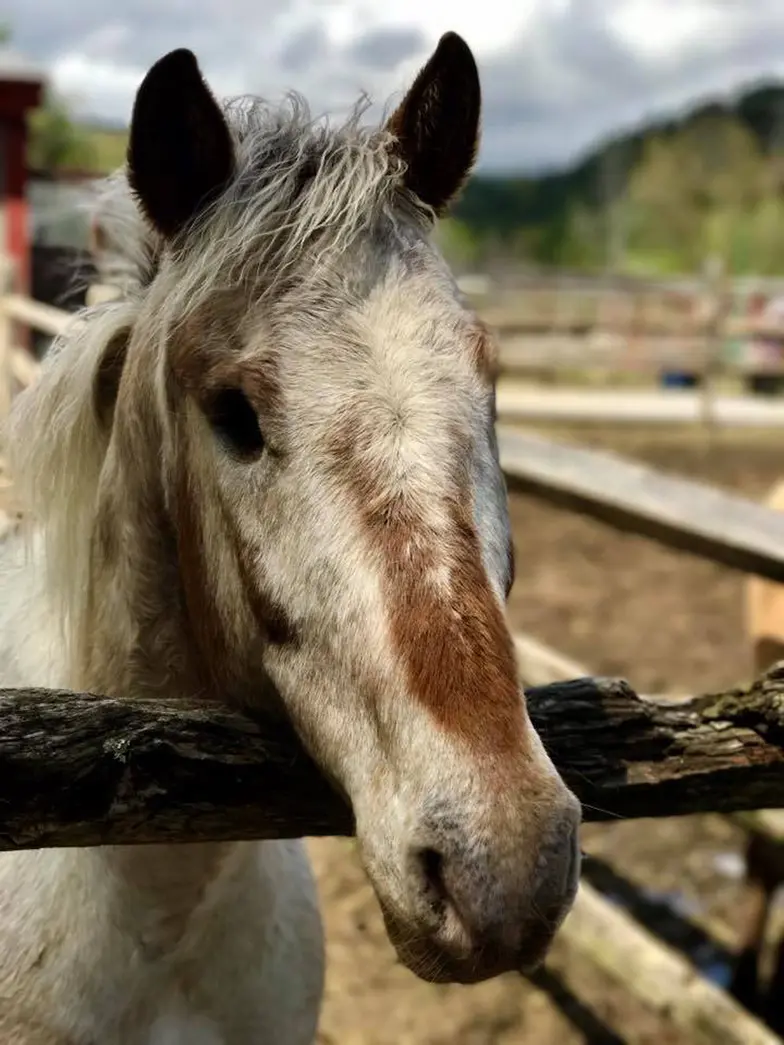
Peach, a blind pony
Finding homes for special-needs, senior and unrideable horses can be challenging, but these horses can thrive in the right environment. Equine rescues can increase adoptions by highlighting each horse's personality, reaching new audiences, considering nontraditional homes and helping adopters understand the care involved. Explore these practical tips and examples from equine organizations that have successfully placed horses with unique needs.
1. Tell Each Horse's Story
A compelling adoption profile helps potential adopters connect with a horse and understand what makes them special. Go beyond breed, age and medical history to highlight personality, favorite activities, quirks and the type of home where the horse could thrive.
- Share engaging photos and videos that showcase the horse's personality.
- Create a horse biography or rescue resume with relevant history, care needs and strengths.
- Be honest about medical, behavioral and mobility concerns so adopters understand the commitment.
- Use positive, accurate language that focuses on what the horse can do and the support they may need.
Consider sharing the horse's story through social media, email newsletters and adoption listings to reach more potential adopters.
2. Consider Nontraditional Homes
Not every horse needs to be a riding horse to make a meaningful connection with people. Companion horses may thrive with families who want a pasture companion, at educational programs or in other appropriate settings.
Think creatively about potential placements, including:
- Homes looking for a companion for another horse
- Educational or therapeutic programs that can meet the horse's needs
- Farms, bed and breakfasts or other appropriate settings where horses can safely interact with people
- First-time horse owners who have the resources, guidance and support to provide suitable care
Always assess each placement individually. The horse's welfare, care requirements, environment and compatibility with other animals should guide the decision.
3. Reach New Audiences
The right adopter may not be looking for a traditional riding horse. Expand your outreach beyond your usual audience to help more people discover the benefits of adopting a companion or special-needs horse.
- Feature horses in social media campaigns that introduce companion horses and their unique qualities.
- Share adopter stories and updates showing horses thriving in their new homes.
- Participate in horse shows, community events and media opportunities.
- Create opportunities for people to engage with horses on the ground, such as in-hand classes and obstacle events.
- Connect with local organizations and communities that may be interested in horse companionship.
Success Story: Finding Homes for Companion Horses
West Virginia Horse Network has used creative approaches to help hard-to-adopt equines find homes, including social media content that highlights individual horses and their personalities. By showing what makes each horse special and promoting companion horses to audiences beyond traditional riding homes, equine organizations can help potential adopters see new possibilities.
The organization also uses adoption announcements and updates about horses thriving in their new homes to celebrate placements and engage supporters. Sharing these stories can inspire other adopters, build community support and help change perceptions about which horses are adoptable.
4. Consider Adoption Incentives and Support
Cost, experience and uncertainty about care can make potential adopters hesitate. Consider what might help an appropriate adopter feel prepared to welcome a horse.
Depending on your organization's resources and the horse's needs, options may include:
- Reduced or waived adoption fees
- Pairing a companion horse with a suitable equine already being adopted
- Educational resources or training for new horse owners
- Guidance on routine care, medical needs and ongoing expenses
- Follow-up support after adoption
For some horses, an adoption incentive or structured learning opportunity can help connect them with people who might not otherwise consider adoption.
5. Match Horses With the Right Adopters
Successful placements begin with understanding both the horse and the adopter. Focus on the adopter's goals, experience, resources and expectations rather than assuming every adopter needs a riding horse.
Discuss the horse's care needs, personality, limitations and potential fit. Be transparent about ongoing expenses and any specialized management required. When appropriate, consider the horse's compatibility with other equines and the adopter's access to veterinary and farrier care.
A thoughtful match helps set both the horse and adopter up for a successful transition.
6. Celebrate Successful Adoptions
Help adopters feel proud of choosing a special-needs or companion horse. Celebrate placements with adoption announcements, photos and follow-up stories that show the horse settling into their new home.
Consider recognizing adopters with small gifts, thank-you messages or other gestures that acknowledge the value of giving a companion horse a home. Sharing these stories can inspire other potential adopters, strengthen community support and encourage people to consider horses they might otherwise overlook.
Related Resources
Explore these additional resources for practical guidance on placing special-needs and hard-to-adopt horses.
- Webinar: How to Home Special Needs and Unrideable Horses
- Learn strategies for finding adopters and placing horses who aren't suitable for riding. Watch the webinar recording.
- Review the presentation's key ideas and recommendations. Download the PowerPoint slides.
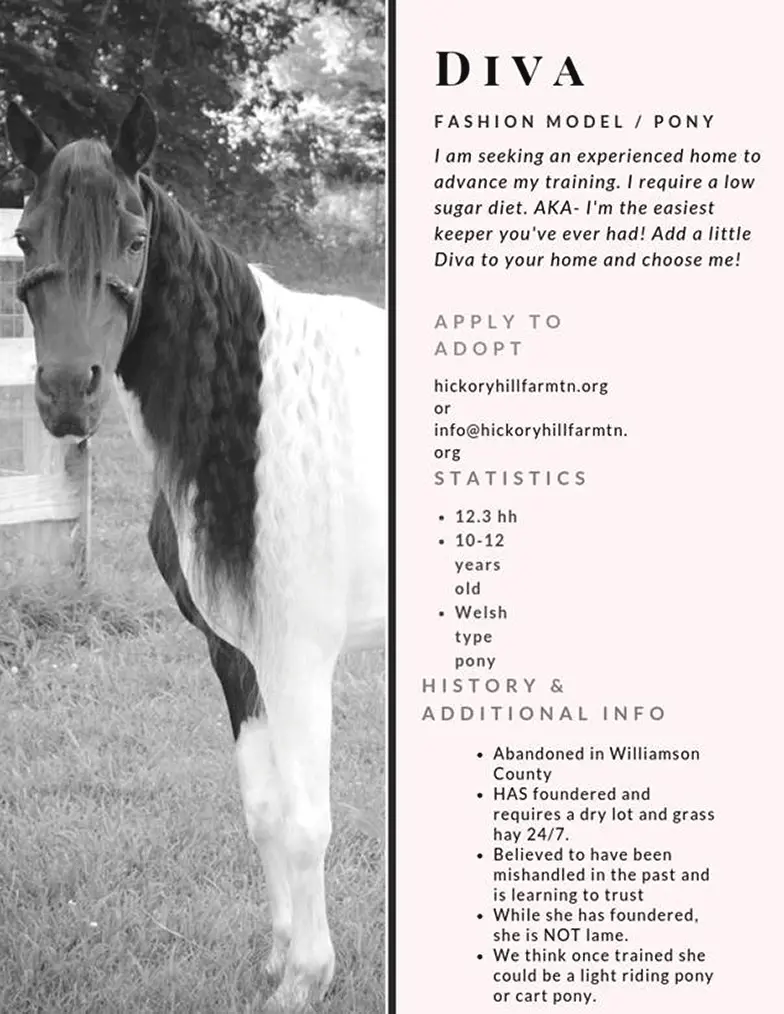
Sample resume for adoptable equine Diva
Get Them in the Public Eye
If possible, take unrideable horses to events and media appearances so they will get exposure to potential adopters. People may not have considered keeping a horse for companionship, therapy or as a “pasture ornament.”
The SPCA of Texas chose to bring one of its unrideable horses, Sterling, to an offsite media opportunity to help him find his home. Check out Sterling’s 5 minutes of fame.
When taking horses out in public, Maura Davies, VP of marketing and communications, suggests writing “Adopt Me” on their hind quarters with non-toxic paint.
The agency also does paid advertisements for their limited-riding horses in local trail-riding magazines to get the horses in front of audiences that may be looking for casual riding companions.
Give Adopters (and Horses) a Chance
Consider targeting adopters who do not identify as “horse people.” This Old Horse in Hastings, MN, inspires community members to become “horse people” by showing them the joys and benefits of owning an unrideable horse. The group’s #LooksLikeMe social media promotion features adopters who have become horse owners by falling in love with an unrideable horse. Their darling adoption video highlights the special bond between a novice horse owner and her blind horse.
This Old Horse even collaborated with the Minnesota Racing Commission to develop a 12-week curriculum to teach and support new horse enthusiasts. Anyone who successfully completes the course gets their adoption fee waived.
Williams from Bluebonnet warns that as horse lovers, “it’s easy to fall into the trap of thinking you’re the only one who can love and care for your horses.” This mindset prevents horses from going to good homes, discourages adoption in general and prevents you from helping more horses.
And believing in the horses is also important. “Don’t think a history of abuse is insurmountable,” says Williams. With time, love and proper care, most horses are quite resilient
We have lots more on this subject: