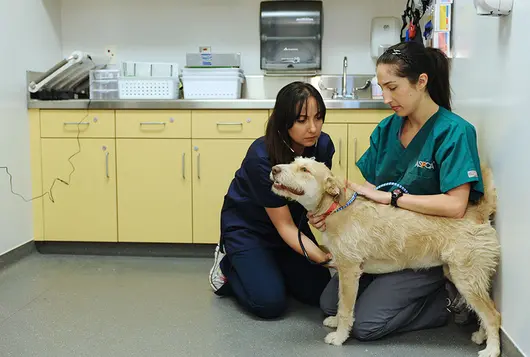
Strep Zoo (Streptococcus equi subsp. zooepidemicus)
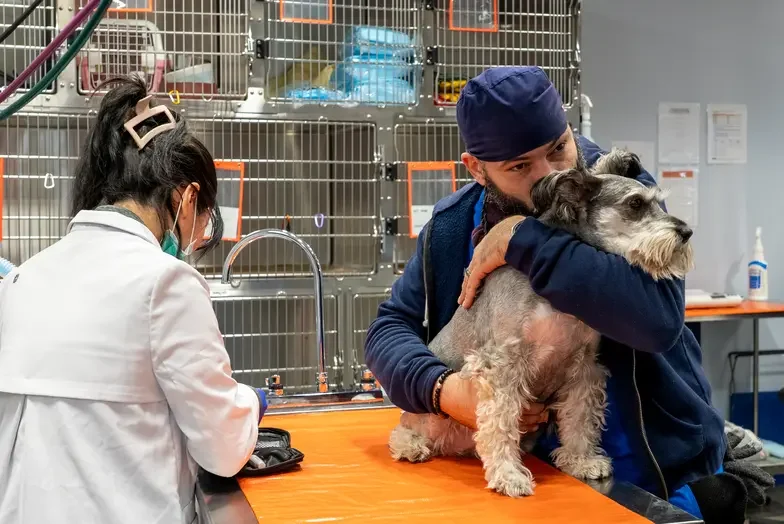
Streptococcus equi subsp. zooepidemicus (commonly referred to as Strep zoo) is a Gram-positive, beta-hemolytic bacterium classified in Lancefield Group C. Although it typically exists as a harmless commensal organism in horses, it has emerged as a significant pathogen in dogs and cats, particularly in high-density environments such as animal shelters. In shelters, outbreaks have occurred in the absence of other detectable pathogens, suggesting that Strep zoo may function as a primary pathogen in dogs, causing severe and often fatal respiratory disease. While some dogs may harbor the bacterium without showing signs of illness, certain strains are highly virulent and capable of causing rapid disease progression. In outbreak situations, swift recognition and immediate intervention are essential to prevent serious illness and mortality within the shelter population.

What You Should Know
Dogs infected with Strep zoo may initially present with mild and non-specific signs such as lethargy, anorexia and mild fever. These early signs can be easily overlooked, especially in shelters where mild respiratory disease is common. However, the disease often progresses quickly to more severe clinical signs, including epistaxis (bloody nasal discharge), hematemesis (vomiting blood), coughing, labored breathing and, in some cases, sudden death. The bacterium produces exotoxins believed to damage blood vessels in the lungs, resulting in leakage of fluid and blood into the airways, which leads to the characteristic hemorrhagic pneumonia and severe respiratory compromise. Rapid clinical progression – sometimes within 24 to 48 hours – highlights the importance of early intervention during outbreaks. In cats, Strep zoo can cause upper respiratory disease (rhinitis), lower respiratory disease (pneumonia) and central nervous system disease (meningoencephalitis). Neurologic signs seen with meningoencephalitis include neck pain, ataxia, abnormal mentation and seizures.
Strep zoo can be transmitted through direct contact with respiratory secretions, aerosolized respiratory droplets or indirectly through contaminated surfaces, equipment or other fomites. The risk of transmission increases significantly in environments that are crowded, poorly ventilated or lack adequate sanitation. In cats, Strep zoo infections typically arise in crowded, unsanitary environments with widespread herpesvirus and calicivirus.
While uncommon, Strep zoo has zoonotic potential. At least one case of transmission from an infected dog to a human has been confirmed. This underscores the importance of staff using personal protective equipment (PPE) (including gloves, gowns, masks and eye protection) when handling animals with Strep zoo.
PCR: The most reliable test to confirm Strep zoo infection is PCR performed on upper respiratory tract swabs. For dogs, both nasal and oropharyngeal swabs should be collected, while in cats, an oropharyngeal swab is sufficient. Samples should be submitted to diagnostic laboratories that offer comprehensive respiratory PCR panels. PCR provides high sensitivity and specificity, with results typically available within a few days.
Bacterial Culture and Sensitivity: Follow-up bacterial culture with antibiotic sensitivity testing is recommended to ensure the pathogen is susceptible to the selected antibiotic therapy.
Necropsy: Animals that die or are euthanized due to severe illness can provide valuable diagnostic information. If a full necropsy is not possible, lung tissue can still be collected from dogs and cats that succumb to pneumonia. Fresh lung samples should be submitted for comprehensive PCR panels and bacterial culture to detect both viral and bacterial pathogens. Additionally, lung tissue preserved in formalin can be submitted for histopathological evaluation.
Antibiotic Treatment
Strep zoo strains tend to be susceptible to penicillins (penicillin G, ampicillin, amoxicillin) and cephalosporins and are typically resistant to doxycycline and fluoroquinolones. First-line antibiotics include:
- Cefpodoxime (Simplicef®): A convenient, once-daily oral cephalosporin
- Cefovecin (Convenia®): A long-acting injectable cephalosporin, offering a single-dose alternative ideal for minimizing stress and improving compliance
- Amoxicillin, Amoxicillin and Clavulanate Potassium (Clavamox®), and Cephalexin: Effective but require twice-daily dosing, which can strain shelter staffing resources
- Penicillin G Procaine: Cost-effective but requires daily injections, making it less practical for large shelter populations
Management
In an outbreak, all exposed animals should receive prophylactic antibiotic treatment, even if they appear healthy. It is important to note that this is different from how other respiratory disease outbreaks are managed. Metaphylaxis – meaning the prophylactic treatment of the entire population – is only indicated in Strep zoo infections due to the rapid and often fatal course of disease caused by a bacterial pathogen. Infections typically resolve with a 7-day course of antibiotics, after which animals can safely be released from isolation, though co-infection with other respiratory pathogens may require longer periods of isolation. New animal intake should be paused during an outbreak whenever possible and intake diversion strategies should be employed. Symptomatic animals should be placed in a separate isolation room during treatment, and asymptomatic but exposed animals should be placed in a separate quarantine room for monitoring.
There is currently no vaccine available for the prevention of Strep zoo. The immediate initiation of prophylactic antibiotic treatment is the most effective way to prevent disease in animals with known exposure to Strep zoo. Co-infection with other pathogens involved in the Canine Infectious Respiratory Disease Complex (CIRDC) – particularly Canine Distemper Virus, Canine Pneumovirus, or Canine Influenza Virus – can increase the risk of Strep zoo infection. Therefore, preventing even mild cases of CIRDC is important to reduce the likelihood of more harmful pathogens causing outbreaks. Proactive population management and rigorous sanitation protocols are essential to prevent Strep zoo outbreaks in shelters.
Shelters operating over their capacity for care are at increased risk for infectious disease outbreaks, including Strep zoo. Therefore, reducing crowding is an important disease prevention measure. Operating within a shelter’s capacity can help reduce barking, which helps minimize respiratory irritation and aerosolized respiratory pathogen spread. Long shelter stays are also associated with a higher risk of developing clinical signs of infectious respiratory disease. Reducing the number of animals housed at one time, primarily by minimizing each animal’s length of stay, improves animal care, enhances sanitation and lowers the risk of contact with infected animals. Proactive population management strategies – such as daily shelter population rounds and pathway planning – are essential for maintaining a healthy animal population.
Adhering to good sanitation practices is key to reducing the risk of Strep zoo outbreaks. Strep zoo can persist in moist environments and may evade common disinfectants by hiding within protective biofilms on surfaces. Routine disinfection practices must be supplemented by measures to disrupt biofilms. Surfaces should be scrubbed with a degreasing agent (such as dish detergent) before disinfection to remove organic material and break down biofilms. Failure to remove biofilms in the environment has been associated with recurrent Strep zoo outbreaks in shelters.