Tips for Helping Shy and Fearful Dogs
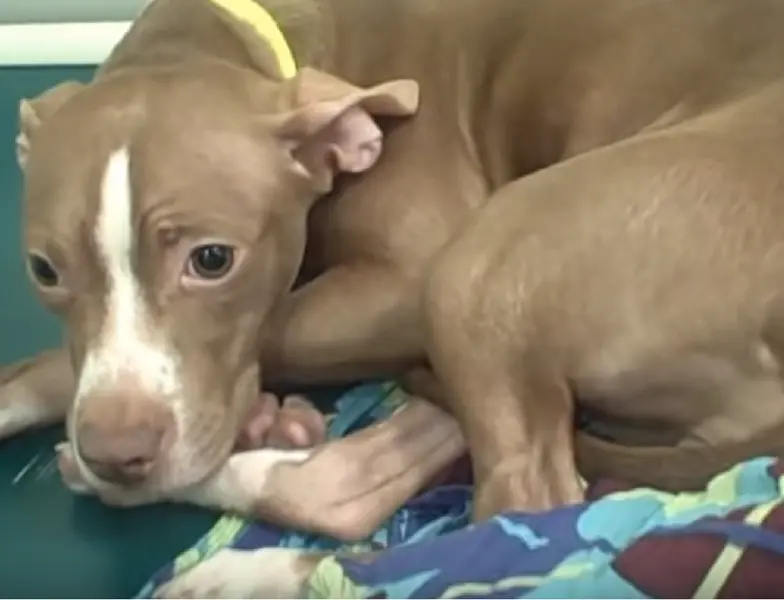
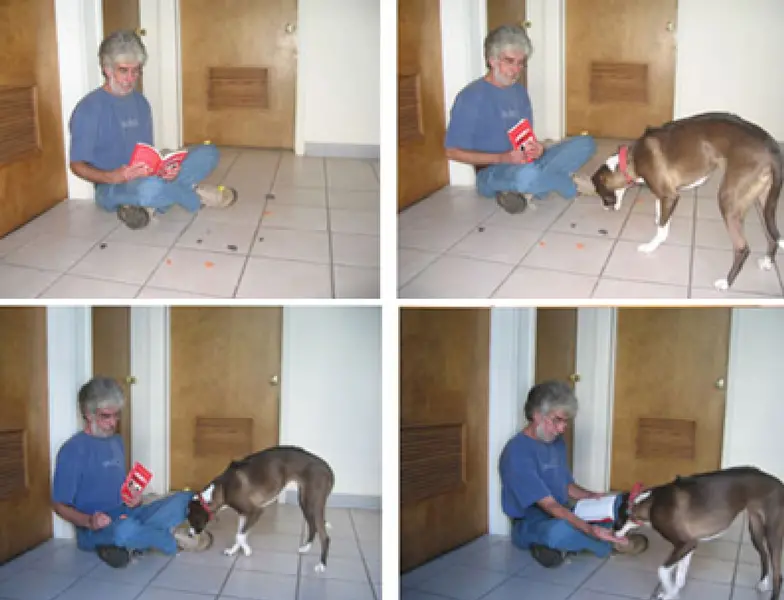
Shy and fearful dogs may need extra time and space to feel comfortable around people. Simple changes in how you approach, handle and interact with these dogs can help reduce fear, build trust and encourage more positive experiences in the shelter.
6 Tips for Helping Shy Dogs Feel More Comfortable
- Let the dog approach you.
Give shy dogs time to approach at their own pace rather than moving toward them. Sometimes simply sitting quietly nearby can encourage a dog to come closer.
- Keep your body language calm.
Squat down with your body turned slightly sideways. Look down or away and avoid sudden movements.
- Avoid looming or reaching over the dog.
Approaching quickly or from the front, reaching a hand down from above, or making direct eye contact can be frightening for a fearful dog.
- Use treats without pressure.
Scatter small treats on the floor so the dog can choose to eat them without having to approach you. You can also toss treats near the dog as you pass by.
- Wait for the dog to seek attention.
Don't rush to pet a shy dog. Wait until the dog is comfortable approaching you and actively seeking interaction.
- Repeat these interactions regularly.
A shy dog may need several low-pressure interactions before you see a change. Consistent, positive experiences can help build confidence over time.
Simple Behavior and Handling Techniques
These four techniques can be incorporated into routine shelter care with little or no extra expense or personnel. Start at a level the dog can handle comfortably, and back off if the dog shows signs of fear. Never force contact.
Drive-By Treats
Purpose: Help dogs feel more comfortable and even excited when people approach their kennel.
Break treats into small pieces and keep them with you as you move through the kennel area. As you approach a dog's kennel, offer or toss a treat. If the dog doesn't take it, simply drop the treat inside the kennel and continue on.
Time needed: About 5–10 minutes.
Quick & Easy Handling
Purpose: Help dogs develop more positive associations with routine handling.
During routine kennel cleaning, have small treats ready. After moving the dog to a clean kennel or holding area, immediately offer a treat. If the dog won't take it, simply drop it nearby and continue with the routine.
This creates a positive association with being moved and handled without adding significant time to routine care.
Time needed: About 3 seconds of additional interaction.
Hand Targeting
Purpose: Help reduce fear of hands reaching toward, touching or picking up the dog.
Start by holding your hand low and far enough away that the dog remains comfortable. When the dog looks toward your hand, mark the behavior with “Yes!” and toss a treat. Repeat until the dog readily looks toward your hand.
Next, wait for the dog to move toward your hand. Reward even a small movement at first. Over multiple sessions, work toward having the dog touch your hand with their nose, then gradually increase the distance they move toward your hand.
Important: If the dog retreats when you extend your hand or is too frightened to move toward it, stop and return to simply tossing treats until the dog is more comfortable.
Time needed: About 15 minutes.
Helper Dog Play Groups
Purpose: Help dog-friendly fearful dogs become more comfortable around people.
Pair a fearful dog with a confident, friendly dog who can serve as a “helper dog.” After introducing the dogs safely, allow them to play in a supervised area.
During the session, sit quietly and interact with the helper dog—playing, offering treats and petting them—while mostly ignoring the fearful dog. Occasionally toss a treat to the fearful dog without asking them to approach.
If the fearful dog comes closer, allow them to sniff you and offer treats, but don't immediately try to touch them. Over time, you can begin interacting when the dog clearly seeks your attention.
Important: Choose a different helper dog or another technique if the dogs don't get along. Go slowly, never force contact and back off if the fearful dog shows signs of stress.
Time needed: About 15–30 minutes.
Let the Dog Set the Pace
The goal is to help shy and fearful dogs feel safe enough to choose interaction—not to force them to overcome their fear. Watch the dog's body language and adjust your approach based on their comfort level.
With patience, consistency and positive experiences, many fearful dogs can become more comfortable with people and routine handling.
Download the Printable Guide
For more detailed instructions, download Simple Behavior & Handling Tips for Shy or Fearful Dogs, which includes step-by-step guidance for these four techniques.
We have lots more on this subject: