Pets as Gifts Can Safely Increase Adoptions
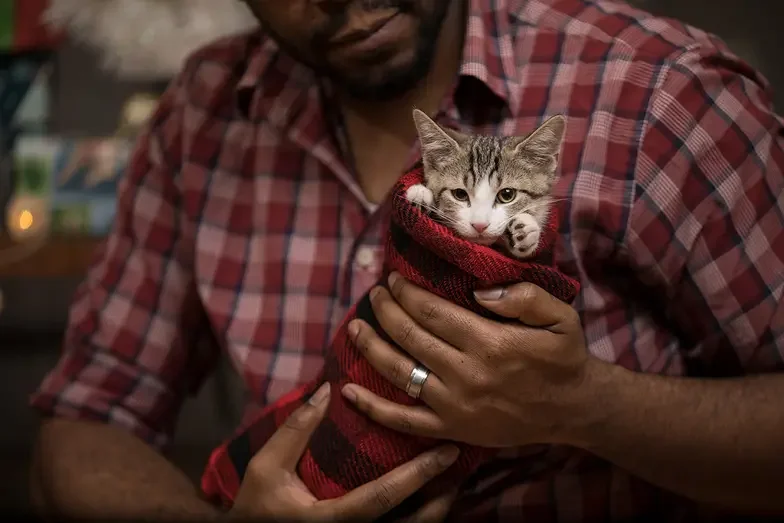
Can pets be given as gifts? Yes! The ASPCA supports giving pets as gifts when the recipient has expressed a sustained interest in owning a pet and is ready to welcome an animal into their home.
Research shows that pets received as gifts are not more likely to be relinquished than other pets. With thoughtful guidance, good matchmaking and responsible adoption practices, animal shelters and rescues can help more animals find loving homes during the holidays and throughout the year.
Here are practical tips to help your organization develop or improve a pets-as-gifts adoption program.
Can Pets Be Given as Gifts? What the Research Says
Many animal shelters have traditionally discouraged adopting pets as gifts because of concerns that recipients might not be prepared for the responsibility or might not bond with an animal they didn't select themselves.
However, ASPCA research challenges these assumptions.
In a survey of people who received pets as gifts:
- 96% said receiving the pet increased or had no impact on their love or attachment to the animal.
- 86% of the pets referenced in the study were still in the home.
- Attachment did not differ based on whether the pet was a surprise or the recipient knew about it in advance.
The takeaway? Giving a pet as a gift doesn't automatically put an animal at greater risk. What matters is ensuring the recipient genuinely wants a pet and is ready to care for them.
Both research and the experience of participating shelters show no increased risk of relinquishment for animals received as gifts.
Tips for Safely Adopting Pets Out as Gifts
A successful gift adoption starts with understanding the recipient's interest, lifestyle and ability to care for a pet. Here are six considerations for adoption counselors and gift givers.
1. Confirm the recipient wants a pet
A pet should only be given to someone who has expressed a sustained interest in owning one. Encourage gift givers to consider whether the recipient is genuinely ready for the commitment of pet ownership.
2. Consider the recipient's lifestyle and the pet's needs
Help gift givers think through:
- Experience with pets
- Allergies and household considerations
- Activity level and lifestyle
- Time for daily care, exercise and enrichment
- Plans for meeting a pet's everyday needs, including food, veterinary care and supplies
- The type, age and temperament of animal best suited to the household
Encourage gift givers to think about the recipient's preferences as well as the animal's individual needs. For example, consider whether the recipient would enjoy an energetic puppy, a more mature pet or a particular type of animal. The goal is to make a thoughtful match that supports a positive experience for both the pet and the recipient.
3. Consider timing and the transition home
The holidays can be busy. Encourage gift givers to consider whether the recipient will have enough time to bond with a new pet and help the animal transition into its new home.
Flexible adoption and pickup dates can help families welcome a new pet when they are ready.
4. Consider the recipient's age
If the recipient is a child under 12, their parents should be ready and eager to assume responsibility for the animal. Pet ownership should be a family commitment, not a responsibility placed solely on a child.
5. Make the gift experience memorable
A pet doesn't have to be a complete surprise. Consider offering an adoption announcement, gift certificate or special adoption experience that allows the recipient to participate in choosing their new companion.
Another option is to present a gift preview card or announcement during the holiday celebration, with the pet coming home at a later date when the recipient and animal can enjoy a quieter transition.
A surprise pet can also be appropriate when the gift giver knows the recipient genuinely wants a pet and has considered the animal's needs and the recipient's preferences.
6. Set pets and people up for success
Help gift givers and recipients understand the ongoing responsibilities of pet ownership, including veterinary care, supplies, training, exercise and enrichment.
Connect recipients with helpful adoption resources, veterinary information, behavior support and other community resources. Follow up after adoption to answer questions, offer guidance and help address any challenges that may arise.
How to Promote a Holiday Pets-as-Gifts Adoption Program
Shelters can make gift adoptions memorable while creating positive community engagement. Consider these ideas:
Promote your program
- Share your pets-as-gifts policy on your website and social media.
- Explain why your organization supports responsible gift adoptions.
- Use adoption stories and testimonials to help dispel common myths.
- Reach out to local media with positive stories about holiday adoptions.
- Encourage gift givers to start the adoption process early.
Make the experience special
- Offer holiday adoption appointments or delivery options.
- Create gift certificates or adoption announcement cards.
- Provide festive photo opportunities for families and their new pets.
- Recruit volunteers to assist with events, deliveries and promotions.
Prepare your staff and volunteers
- Establish a process for documenting third-party adoptions, including identifying the gift giver and recipient and determining how adoption records and microchip information will be maintained or updated.
- Train adoption counselors to work with third-party gift givers.
- Make sure staff understand your organization's adoption policies and procedures.
- Provide consistent guidance about matching, recipient readiness and follow-up support.
Think beyond the holidays
Pets can make meaningful gifts for birthdays, Mother's Day, Father's Day, Valentine's Day and other special occasions. Consider making your pets-as-gifts program available throughout the year.
Making Pets as Gifts a Positive Experience
Giving a pet as a gift can be a meaningful way to bring joy, companionship and a lasting bond into someone's life. As research shows, what matters most isn't whether a pet is received as a gift, but whether the recipient genuinely wants an animal and is ready to welcome one into their home.
With thoughtful planning, good matchmaking and access to helpful resources and support, gift adoptions can be a positive experience for both pets and people. By sharing accurate information and helping gift givers make informed decisions, animal welfare organizations can help more pets find loving homes during the holidays and throughout the year.
Related Resources
We have lots more on this subject: